
At a glanceCross country car shipping involves transporting vehicles over long distances, from one state to another. Companies specializing in this service coordinate pickup and delivery, ensuring the safe movement of cars through efficient routing. This process includes document preparation, vehicle preparation, and driver logistics, often taking one to two days for completion.
Key Takeaways
- Cross-country car shipping involves specialized carriers who understand state-specific regulations, ensuring a smooth transportation process.
- The average cross-country car shipping time varies from 3 to 7 days, depending on distance and traffic conditions.
- Insuring your vehicle during transit is crucial; many carriers offer comprehensive insurance options, covering potential damages.
- Choosing a reputable carrier with positive customer reviews can reduce the risk of vehicle damage or loss.
- Pre-cleaning and detailing your vehicle before shipping can significantly improve its post-transport condition.
- The most cost-effective cross-country car shipping method often involves open-bed trailers for lighter vehicles.
Cross Country Car Shipping is a complex, critical process that enables the movement of vehicles across vast distances, vital for a mobile society. While this service is in high demand, the process can be fraught with regulatory hurdles and logistical challenges. Shippers often face difficulties in navigating the complex web of legal requirements, from the Motor Carrier Act to FMCSA regulations, and DOT and ICC oversight. This complexity can lead to delays, increased costs, and frustration.
Cross Country Car Shipping: Where to Start
Looking for cross country car shipping? cross country vehicle transport can answer your questions directly.
The solution lies in leveraging the expertise of T
- Planning Your Cross Country Car Shipping Journey
- Choosing the Right Transport Method and Carrier
- Navigating Logistics and Ensuring a Safe Arrival
Planning Your Cross Country Car Shipping Journey

Planning your cross country car shipping journey involves more than just booking a carrier. It requires careful consideration of your unique needs and circumstances. Before diving in, ask yourself: do you actually need cross country car shipping? It might be more efficient and cost-effective to drive the vehicle yourself for shorter distances. However, for longer hauls or when time is a factor, professional cross country car shipping becomes essential.
When should you hire cross country car shipping? Consider it a priority when relocating across states, especially if you’re moving to a remote area with limited road access. If you’re moving from a major metropolitan area to a rural community, a reputabl
Choosing the Right Transport Method and Carrier

Selecting the appropriate transport method and carrier is a crucial step in the cross-country car shipping process, as it directly impacts the success and cost-effectiveness of your journey. There are several factors to consider when determining the best approach for your specific needs.
The distance and weight of the vehicle play a significant role in choosing between a truck or rail transport. Longer routes and heavier cars often benefit from truck shipping due to its flexibility and direct delivery options. On the other hand, rail transport can be more economical for shorter distances and lighter vehicles, as it allows for bulk shipping and can reduce carbon emissions. The Motor Carrier Act and Federal Motor Carrier Safety Administration (FMCSA) regulations guide these decisions, ensuring safety and compliance, especially for interstate travel.
Understanding the costs associated with cross-country car shipping is essential for budget planning. The price can vary widely based on factors like vehicle type, distance,
| Factor | What to know |
|---|---|
| Transport method choice | Truck for longer/heavier loads, rail for shorter/lighter ones |
| Cost-effective option | Open-bed trailers often cheapest for lighter vehicles |
| Insurance coverage | Reputable carriers insure against damage, theft, and loss |
| Required documentation | Bill of Lading needed; extra permits for international shipments |
| Regulatory compliance | Must follow Motor Carrier Act, FMCSA, DOT, and ICC rules |
Navigating Logistics and Ensuring a Safe Arrival
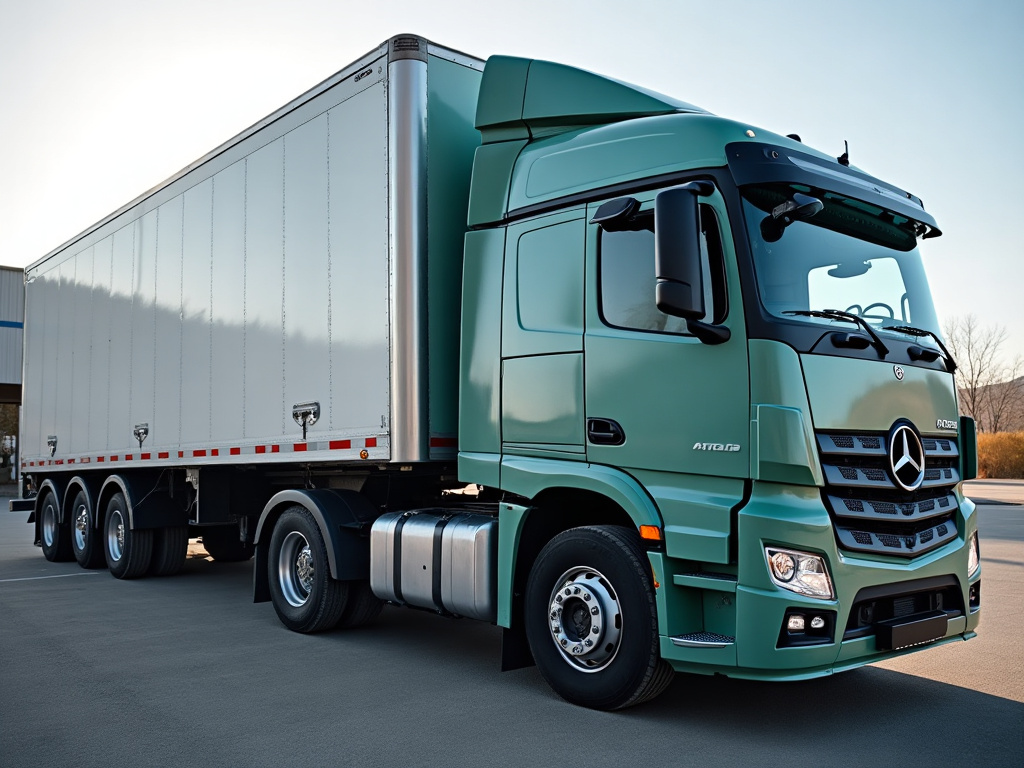
Navigating the logistics of cross country car shipping is crucial to ensure a safe and timely arrival of your vehicle. This proces
Frequently Asked Questions About Cross Country Car Shipping
What is cross-country car shipping?
Cross-country car shipping is the process of transporting a vehicle over long distances, typically across state lines or even countries. It involves specialized carriers who have the resources and expertise to handle the unique challenges of long-distance travel, ensuring the safe and efficient movement of cars.
How does cross-country car shipping work?
The process begins with the client booking a shipment, providing details like the pickup and delivery locations, vehicle specifications, and preferred transport method. The carrier then assigns a driver, loads the vehicle, and navigates the route, adhering to traffic laws and safety regulations. Upon delivery, the driver unloads and delivers the car to the designated location.
What are the benefits of using a cross-country car shipping service?
Using a specialized car shipping service offers several advantages. It provides convenience, as clients don’t need to drive long distances. It’s also cost-effective, as shared cargo space reduces per-mile costs. These services ensure secure transportation, with experienced drivers and secure loading methods. Plus, they handle paperwork and regulations, simplifying the process for clients.
How long does cross-country car shipping typically take?
Most cross-country car shipments take between one to three weeks, depending on the distance and mode of transport. Trucking companies often offer expedited services for time-sensitive deliveries, while rail and intermodal shipping can be slower but more cost-effective for non-urgent moves.
Are my vehicles insured during cross-country shipping?
Yes, reputable car shipping companies provide insurance coverage during transportation. Policies vary, but they typically cover damage, theft, and loss. It’s essential to understand the insurance terms and conditions and choose a company with a robust insurance plan to ensure peace of mind.
What documentation is required for cross-country car shipping?
For domestic shipments, you’ll need a Bill of Lading, which serves as a contract and receipt. It details the pickup and delivery information, vehicle description, and terms of the shipment. For international shipping, additional documents like customs declarations and import/export permits may be required.
Can I monitor my vehicle’s progress during shipping?
Many car shipping companies offer tracking services, allowing clients to monitor their vehicles’ progress in real-time. This feature provides peace of mind, as you can follow the shipment’s location and estimated arrival time.
As you’ve navigated this practical guide to cross country car shipping, key insights emerge. First, legal adherence is paramount; understand the Motor Carrier Act, FMCSA, DOT, and ICC regulations to ensure a smooth journey. Next, selecting the right transport method and carrier is crucial; consider factors like vehicle type, distance, and budget to make informed choices. Effective logistics management, including communication with transportation brokers and logistics coordinators, is vital for a safe and on-time arrival. Leveraging digital shipping portals can streamline the process, providing real-time updates and transparency. By implementing these practical steps, you’ll ensure a successful cross country car shipping experience, backed by industry best practices and regulatory compliance.