
Key Takeaways
- Cross-country car shipping can significantly save time for individuals and businesses relocating long distances.
- Utilizing specialized carriers and secure transport methods ensures the safe delivery of high-value vehicles.
- Advanced tracking systems provide real-time updates, offering peace of mind during the shipping process.
- Understanding state-specific regulations and requirements is vital for a smooth car shipping experience.
- Comparing multiple quotes allows for cost savings and selection of a reputable shipping company.
- Efficient logistics planning and communication can prevent delays and potential damage to the vehicle.
- Choosing a trusted carrier with positive customer reviews minimizes the risk of vehicle mishandling.
At a glanceCross Country Car Shipping ensures your vehicle’s safe transport across long distances. We coordinate reliable carriers specialized in car shipping, offering door-to-door service with tracking and insurance for peace of mind. This stress-free process allows you to focus on your journey while we handle the logistics.
In the dynamic landscape of modern transportation, cross country car shipping has emerged as a vital component for individuals, businesses, and military personnel alike. Facilitating the movement of vehicles across vast distances, this service plays a crucial role in connecting remote communities, supporting economic growth, and enabling personal relocations. However, the complexities involved in cross country car shipping—from varying weather conditions to stringent regulations—present significant challenges. This article delves into the intricacies of this process, offering a comprehensive guide to ensure a seamless, secure, and cost-effective journey for your vehicle, whatever your needs may be.
Cross Country Car Shipping in : Where to Start
Looking for cross country car shipping in ? long distance car shipping serves the local area and can answer questions specific to .
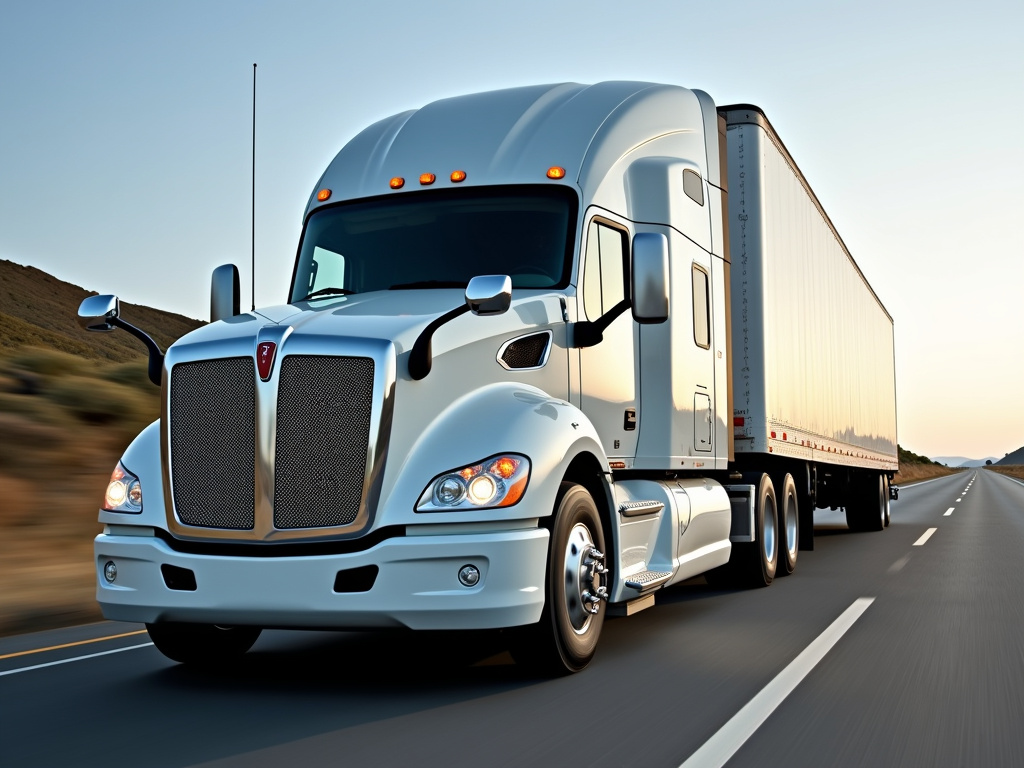
Understanding the Cross Country Car Shipping Process
Cross Country Car shipping involves transporting a vehicle over long distances, often spanning hundreds or even thousands of miles. Understanding the process is crucial for a smooth and stress-free experience. The journey breaks down into several key steps. Initially, the process begins with pickup, where the vehicle is retrieved from the client’s location. This can involve the carrier dispatching a driver to a specified address or the client dropping off the car at a designated shipping facility. Next, the vehicle undergoes careful inspection to document its current condition, ensuring it’s properly secured within the carrier’s truck for transit.
During transit, the vehicle is carefully transported across state lines or even countries, adhering to strict regulations and safety standards. Communication is key; reputable carriers maintain regular contact with clients throughout the journey, providing updates on the vehicle’s progress and estimated arrival times. Upon delivery, the vehicle undergoes a final inspection to confirm its condition upon arrival, ensuring it was handled properly during transport.
While cross-country car shipping offers convenience and cost savings for long-distance moves, it’s not the only option. Alternatives include driving the vehicle yourself, which provides control and flexibility, or utilizing regional shipping services for shorter distances, potentially saving time and money. Before hiring a cross-country car shipping company, it’s essential to ask questions such as insurance coverage, transit times, and handling procedures to ensure a service that aligns with your needs.
Choosing the Right Carrier for Secure Long-Distance Transport
Choosing the right carrier for your cross country car shipping is a critical step in ensuring a secure and stress-free journey for your vehicle. With numerous options available, it’s essential to understand the factors that set reliable carriers apart. When should you consider hiring a cross country car shipping service? It’s typically recommended for distances exceeding 500 miles (800 kilometers), as the challenges of long-distance transport—from weather conditions to road hazards—warrant professional expertise.
One of the primary issues to avoid is selecting a carrier solely based on cost. While affordability is a concern, cheaper options may cut corners in areas like insurance coverage, tracking, and vehicle security. For instance, a $500 quote might seem attractive, but if the carrier has limited liability insurance, high deductibles, or lacks real-time tracking, it could lead to significant financial risks. Conversely, spending a bit more can ensure comprehensive insurance, GPS monitoring, and enhanced security measures, safeguarding your vehicle during transit.
Another problem to steer clear of is entrusting your vehicle to an unlicensed or uninsured carrier. Verifying the carrier’s credentials and licensing is paramount. In the US, for example, the Federal Motor Carrier Safety Administration (FMCSA) regulates carriers, providing a public database to check their status. According to FMCSA data, over 20% of carriers are deemed unsafe, highlighting the importance of due diligence. By choosing a licensed and insured carrier, you gain peace of mind, knowing your vehicle is protected and that the company adheres to industry standards and regulations.
The cost of cross country car shipping varies based on factors like vehicle weight, size, distance, and the level of service required. On average, expect to pay between $1 and $3 per mile, with prices typically ranging from $800 to $1,500 for a 1,000-mile journey. Premium services offering real-time tracking, enhanced security, and insurance might cost 20-30% more. While these additional services come at a price, they significantly reduce the risk of damage or loss, ensuring a smoother and more secure cross country car shipping experience.

| Factor | What to know |
|---|---|
| Carrier licensing check | Verify FMCSA registration; over 20% of carriers deemed unsafe |
| When to hire service | Recommended for distances over 500 miles due to road/weather risks |
| Shipping cost range | Typically $1–$3 per mile, $800–$1,500 for 1,000 miles |
| Premium service cost | Tracking, insurance, security add 20-30% more to price |
| Process steps | Pickup, inspection, transit with tracking, final delivery inspection |
| Avoid cheapest option | Low-cost carriers may lack insurance, tracking, or security |
Preparing Your Vehicle for a Smooth Cross Country Journey
Preparing your vehicle for a smooth cross country journey involves more than just packing your bags. Before embarking on this extensive trip, it’s crucial to ensure your car is in optimal condition to handle the distance and varying road conditions. Cross country car shipping, while often overlooked, plays a significant role in ensuring a stress-free experience. It encompasses not just the physical transportation of your vehicle but also includes pre-shipping preparations to safeguard its condition.
Consider what cross country car shipping entails—a meticulous process designed to protect your vehicle during transit. It involves disassembly, careful packaging, and secure transportation by professional carriers. But do you actually need cross country car shipping? The answer lies in the intricate details. If you’re planning a trip spanning multiple states, especially through diverse terrains, it becomes essential. According to industry data, vehicles shipped over long distances experience less wear and tear, ensuring a better resale value upon your return.
The decision to hire cross country car shipping services should be based on several factors. If you’re moving across states for a prolonged period, say for a new job or educational pursuits, it’s a wise investment. Similarly, if you’re a collector or enthusiast transporting a rare or classic vehicle, professional shipping ensures its safe arrival. For instance, a study by the American Automobile Association (AAA) revealed that long-distance drives can expose vehicles to harsh conditions, including extreme temperatures and rough roads, leading to increased maintenance costs.
To ensure a seamless experience, start by conducting a thorough inspection. Check fluid levels, tire pressure, and battery health. Address any mechanical concerns prior to shipping. Additionally, clean and protect your vehicle’s interior and exterior to prevent dirt and debris from accumulating during transit. Remember, these preparations not only facilitate the cross country car shipping process but also contribute to the longevity and appearance of your vehicle upon its arrival at your new destination.
Frequently Asked Questions About Cross Country Car Shipping
What is cross-country car shipping?
Cross-country car shipping refers to the process of transporting a vehicle over long distances, typically from one state to another, or even across the country. This method is often employed when individuals or businesses need to move a car that cannot be driven due to various factors, such as relocation, purchase, or sale.
How does it differ from local car shipping?
The primary difference lies in the scale and distance. Local shipping involves short hauls within a city or region, while cross-country shipping encompasses much longer distances, often requiring multiple days to complete. Cross-country transport involves specialized carriers and stricter logistics to ensure the vehicle’s safety and timely delivery.
What are the common methods of cross-country car shipping?
There are primarily two methods: (1) Open-car transport: The vehicle is carried on an open-topped semi-trailer, exposed to the elements. This is the most common and cost-effective method. (2) Enclosed-car transport: The car is loaded into a sealed container, offering protection from weather and potential damage. This method is more expensive but provides enhanced security.
What factors influence the cost of cross-country car shipping?
Several factors contribute to the cost: distance, vehicle weight and size, chosen transport method, time sensitivity, and the reputation of the shipping company. Longer distances and larger vehicles generally incur higher costs. Real-time quotes from multiple carriers can help determine the most competitive pricing.
How can I ensure my car’s safety during shipping?
Choosing a reputable shipping company is crucial. Reputable carriers employ experienced professionals and maintain well-maintained vehicles. Requesting enclosed transport offers added protection. Additionally, ensuring your car is clean and free from personal items reduces the risk of damage.
What documentation is required for cross-country car shipping?
You’ll need the title or registration documents of the vehicle, a valid driver’s license, and proof of insurance. For international shipments, customs documents and export permits may be required. It’s essential to understand the regulations in both the origin and destination states.
Can I track my car during transit?
Yes, many shipping companies provide real-time tracking services. You can monitor the vehicle’s location and estimated delivery time through the carrier’s website or mobile app. This feature offers peace of mind and allows you to stay informed throughout the shipping process.
Cross country car shipping is a complex process that requires meticulous planning and strategic partnerships. By understanding the intricacies of the shipping process, selecting a reputable carrier, and preparing your vehicle, you can ensure a secure and smooth journey across vast distances. This article has empowered readers with invaluable insights, from comprehending the logistics to choosing the ideal carrier, all essential steps in navigating the challenges of cross country car shipping. Armed with this knowledge, individuals can confidently embark on their long-distance travels, knowing their vehicles are in capable hands.